
Rosacea: What Causes Facial Redness and How to Treat it Effectively
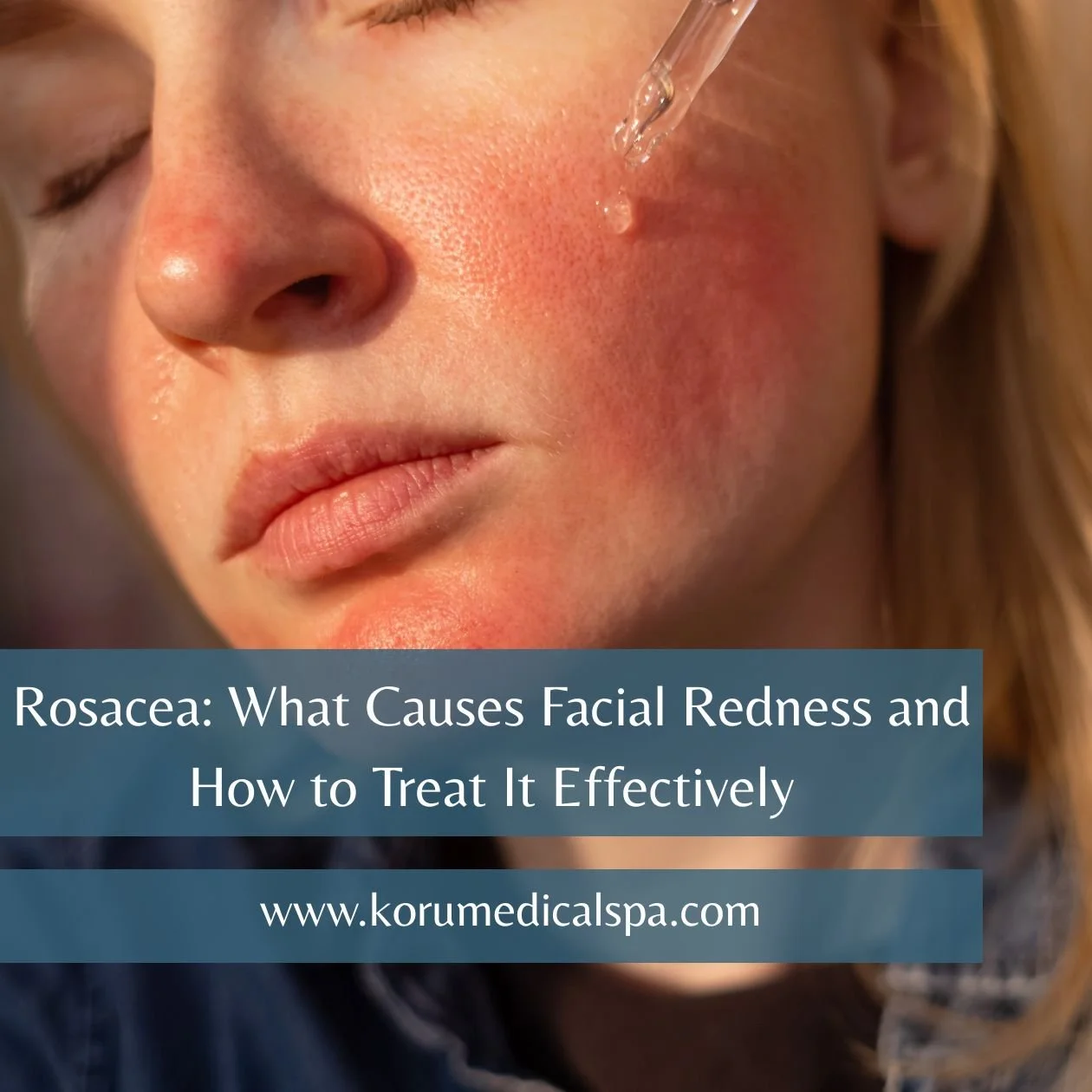
April is National Rosacea Awareness Month, bringing attention to a condition that is both common and frequently misunderstood.
Many patients with rosacea describe their skin as “sensitive” or “prone to redness,” often noticing flushing that lingers longer than expected or becomes more frequent over time.
Before seeking treatment, it’s common to feel like your skin is unpredictable—reacting to heat, stress, or even skincare products that are meant to help. What begins as occasional reactivity can gradually progress into persistent redness, visible blood vessels, increased sensitivity, and even acne-like breakouts.
A Closer Look at Rosacea
Rosacea is a chronic inflammatory skin condition that primarily affects the central face. It is characterized by cycles of flare and remission; however, without appropriate treatment, redness, inflammation, acneiform breakouts, and textural changes can become persistent.
Clinical features may include:
Diffuse facial redness
Telangiectasia (visible blood vessels)
Inflammatory papules or pustules
Heightened skin sensitivity or discomfort
Skin thickening or texture changes (particularly of the nose)
Because rosacea can resemble acne or general skin sensitivity, it is often misdiagnosed—leading to treatments that fail to address its underlying vascular and inflammatory drivers.
Why Rosacea Develops
The pathophysiology of rosacea is complex and multifactorial.
Current research suggests that a combination of vascular dysregulation, immune system activation, and skin barrier dysfunction contributes to its development. Chronic low-grade inflammation further weakens the skin, increasing susceptibility to external triggers such as:
Ultraviolet exposure
Heat
Environmental stressors
In sun-intense climates, these factors can accelerate both the onset and progression of symptoms.
Treatment: Moving Beyond Symptom Management
Effective rosacea treatment requires moving beyond temporary calming strategies and instead addressing the underlying mechanisms driving the condition.
This is where patients often notice a true turning point—when their skin begins to feel stable, predictable, and noticeably clearer.
Laser Therapy for Persistent Redness
When redness is driven by vascular changes, topical treatments alone are rarely sufficient.
At Koru Skin & Laser, advanced laser technologies—including Chrome and Toro devices—are used to selectively target dilated blood vessels.
Before treatment:
Patients often feel like redness is always present—difficult to cover, quick to flare, and resistant to skincare.
After a series of treatments:
Redness softens, visible vessels diminish, and the overall tone of the skin appears more even and calm. Many patients describe this as the first time their skin looks “quiet” again.
For many, this is the moment where rosacea shifts from something they are constantly managing to something that feels controlled.

Before & After treating rosacea with lasers
Restoring Barrier Function & Reducing Inflammation
Following vascular correction, the focus shifts to strengthening the skin.
Rosacea-prone skin is typically barrier-impaired, contributing to its heightened reactivity.
Before barrier repair:
Skin may sting, flush easily, and react unpredictably—even to gentle products.
After consistent barrier-focused treatments:
The skin becomes more resilient, less reactive, and better able to tolerate both environmental exposure and skincare. Flare-ups become less frequent and less intense.
This step is essential for maintaining long-term results.
The Role of Consistent, Targeted Skincare
Daily skincare plays a critical role in long-term management.
Rather than complex routines, the focus should be on consistency and barrier support:
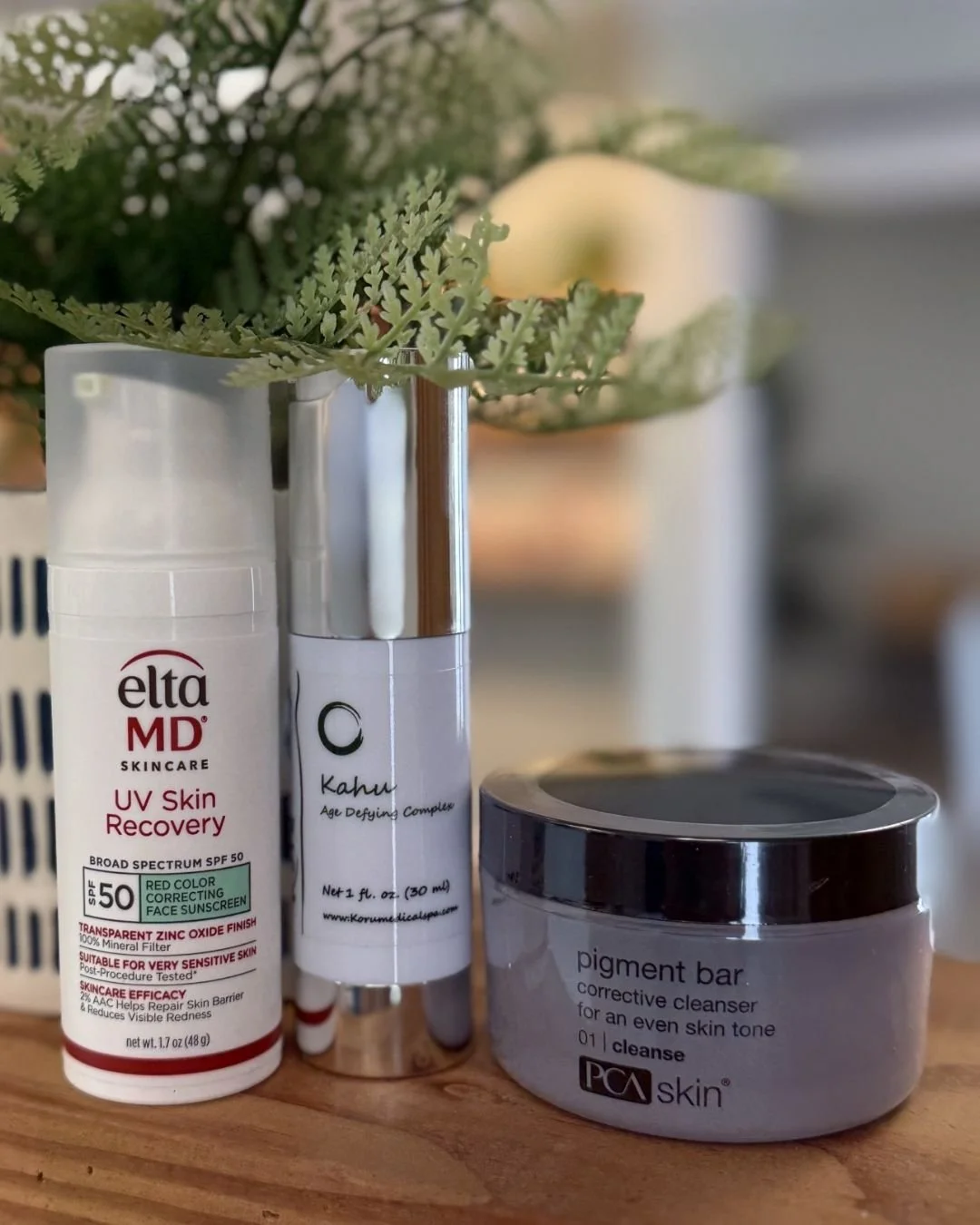
Koru Kahu Moisturizer – supports barrier repair and sustained hydration, helping reduce reactivity
EltaMD UV Skin Recovery SPF 50 – protects against UV triggers while supporting recovery
Plated Skin Science Exosome Skincare – helps calm inflammation and support regenerative repair
Before a targeted routine:
Patients often cycle through products that irritate their skin or provide only temporary relief.
After implementing the right regimen:
Skin feels more comfortable day-to-day, with fewer unexpected reactions and a more consistent, healthy appearance.
Prescription-based skincare is often necessary for optimal rosacea control. We recommend that all patients with rosacea maintain care with a medical provider at Island Dermatology LLC in addition to their treatment plan at Koru Skin & Laser.
Why Early Intervention Matters
Rosacea is a progressive condition.
Without treatment, intermittent flushing can evolve into persistent redness, and visible blood vessels may become more prominent and resistant to correction.
Patients who begin treatment earlier often experience faster, more complete improvement—and require less intensive intervention over time.
A More Effective Approach to Rosacea
Successful rosacea management requires a comprehensive, dual approach—both corrective and preventative.
The goal is not just to reduce redness temporarily, but to create lasting stability in the skin.
The outcome:
Skin that feels calmer, looks more even, and no longer dictates daily decisions about makeup, products, or environmental exposure.
At Koru Skin & Laser, treatment plans are customized based on each patient’s specific presentation and triggers—allowing for a more precise and effective path forward.
Ready to Take Control of Your Skin
If you’ve been managing redness, sensitivity, or flushing that never fully resolves, the most effective next step is a personalized consultation.
Together, we can identify what’s driving your rosacea—and create a treatment plan that moves your skin from reactive to resilient.