
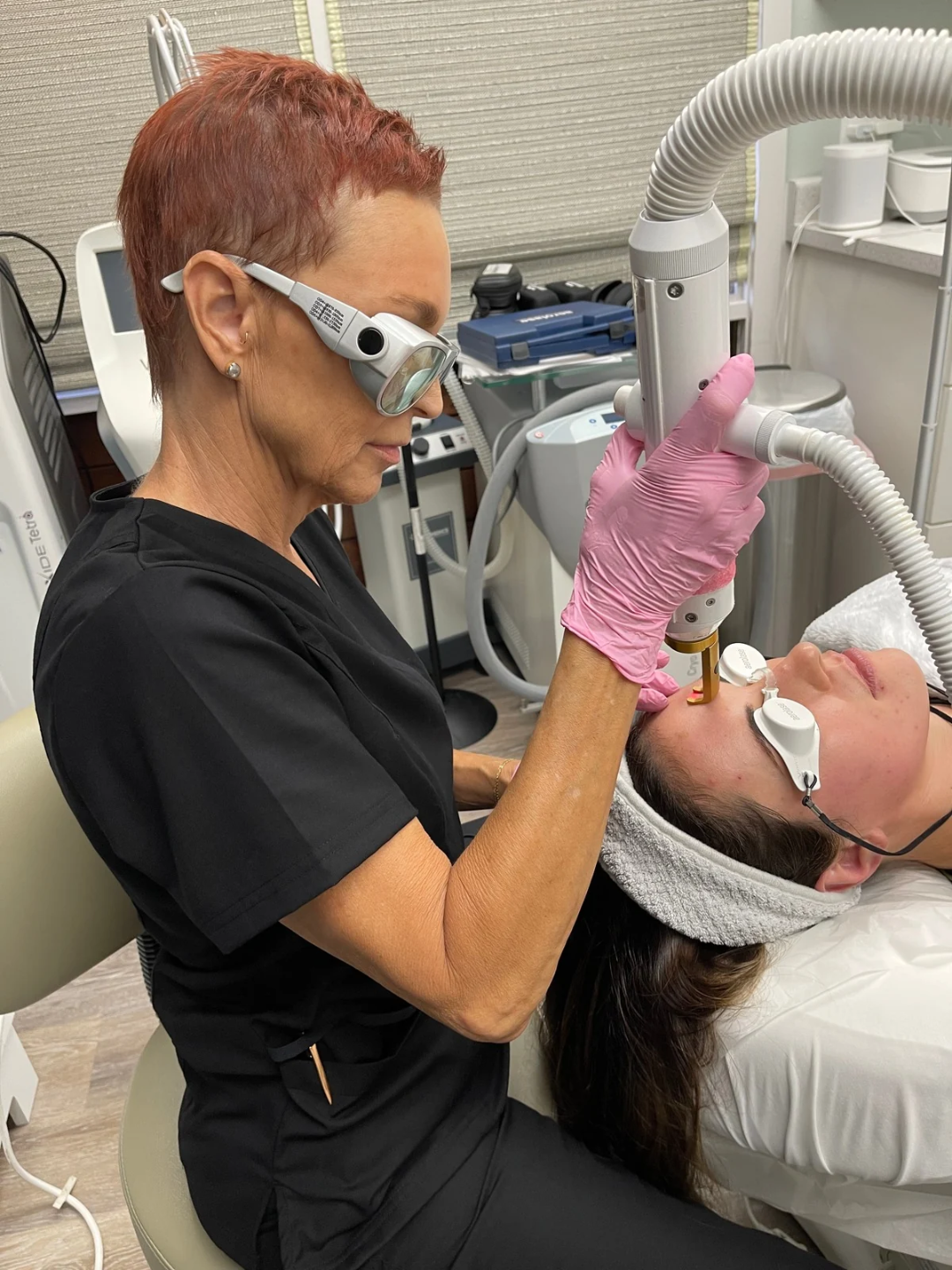
Living in Hawaiʻi means enjoying sunshine, beaches, and the outdoors year-round. It also means our skin experiences consistent UV exposure, which can contribute to sun spots, uneven pigmentation, redness, visible blood vessels, rough texture, fine lines, and other signs of skin aging.
While a good skincare routine is an important foundation for healthy skin, some concerns can benefit from professional treatments designed to target specific changes within the skin.
At Koru Skin & Laser, we offer advanced laser and energy-based treatments designed to address a range of concerns, from sun damage and pigmentation to acne scars, redness, skin texture, and loss of firmness.
The key is choosing the right technology for the right concern. Not every laser treats every skin concern, and the best treatment depends on your skin, your goals, and the type and depth of the concern being treated.
1. Sun Damage & Age Spots
Years of sun exposure can leave visible changes on the skin. Brown spots, uneven pigmentation, rough texture, and fine lines are all common signs of cumulative UV exposure.
Sun spots, also called solar lentigines, are areas of increased pigmentation that commonly appear on the face, chest, shoulders, hands, and other areas exposed to the sun.
However, not every brown or rough spot is simply sun damage. New, changing, bleeding, or persistently scaly lesions should always be evaluated by a medical professional before considering a cosmetic treatment.
Laser treatments for sun damage
Once a spot has been appropriately evaluated, certain laser treatments may help improve benign pigmentation and other visible signs of photoaging.
Chrome offers laser applications designed to target selected pigmented lesions, including certain sun spots, age spots, and areas of uneven pigmentation. It can also address certain vascular concerns, making it particularly versatile when pigmentation and redness occur together.
TORO, a picosecond laser platform, may be used for selected pigment concerns, including certain sun spots, while also addressing some textural irregularities.
For more widespread sun damage and changes in skin texture, Tetra CO₂ and CoolPeel offer resurfacing options. Tetra CO₂ provides more intensive resurfacing for pronounced textural changes, while CoolPeel offers a more superficial approach with generally less downtime.
The right treatment depends on the type and depth of pigmentation, your skin characteristics, and how much downtime you are comfortable with.
2. Redness, Rosacea & Visible Blood Vessels
Persistent facial redness can have several causes. For some people, it is simply part of their complexion. For others, redness may be associated with rosacea, visible blood vessels, or another skin condition.
Rosacea is a chronic inflammatory skin condition that can cause persistent redness, flushing, visible blood vessels, and sometimes acne-like bumps. Common triggers include sunlight, heat, hot beverages, alcohol, and certain skincare products.
Because Hawaiʻi combines significant sun exposure with warm temperatures year-round, managing facial redness can be particularly challenging.
How laser treatments can help
If redness is associated with visible superficial blood vessels, laser treatment may be used to reduce their appearance.
Chrome offers applications designed to target selected vascular concerns, including visible facial blood vessels, broken capillaries, and certain benign vascular lesions.
Laser treatment can improve the appearance of visible vessels, but it does not cure rosacea itself. If persistent redness is related to an underlying inflammatory condition, medical management and trigger control may still be important.
A consultation can help determine whether your redness is primarily vascular, inflammatory, pigment-related, or a combination of concerns.
3. Acne, Acne Scars & Uneven Texture
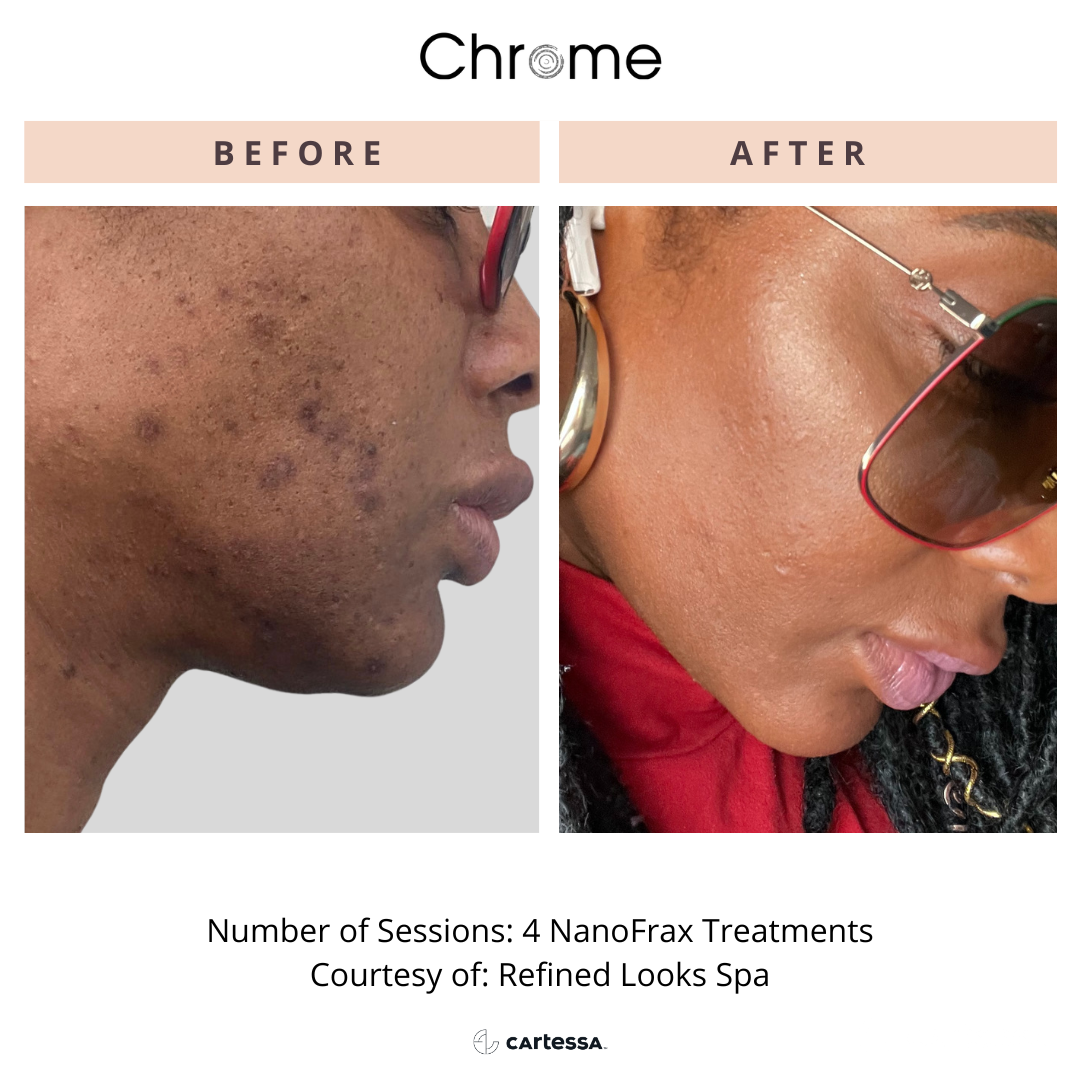
Acne doesn't always end with the breakout itself. Even after active acne has cleared, many people are left with lingering discoloration, enlarged pores, uneven texture, or permanent acne scars.
It is important to distinguish between post-acne discoloration and true acne scarring. Pigmentation may fade over time, while depressed or raised scars involve structural changes in the skin and often require a different treatment approach.
Laser treatments for acne scars
For selected acne scars and textural irregularities, laser resurfacing can stimulate skin renewal and collagen remodeling.
Tetra CO₂ can improve the appearance of selected depressed acne scars, uneven texture, and more established textural irregularities. Because it is a more intensive resurfacing treatment, it also requires more recovery time.
CoolPeel offers a more superficial CO₂ resurfacing option that may be appropriate for milder textural concerns, enlarged pores, and superficial acne scarring.
TORO may also be considered for selected pigment and textural concerns associated with acne.
The best approach depends on whether you are dealing with active acne, post-inflammatory pigmentation, enlarged pores, or permanent textural scarring.
If you currently have active acne, addressing the underlying acne before focusing on scarring is often an important part of the treatment plan.
4. Melasma & Uneven Skin Tone
Melasma is a common cause of persistent facial pigmentation. It typically appears as brown or gray-brown patches on the cheeks, forehead, upper lip, and other areas of the face.
Unlike a typical sun spot, melasma is influenced by multiple factors, including UV exposure, visible light, hormonal influences, and genetics.
It can also be particularly challenging to manage in Hawaiʻi, where sun exposure is difficult to avoid.
Why melasma requires a personalized approach
Melasma is not simply a collection of sun spots. Because inflammation can sometimes worsen pigmentation, certain laser and light-based treatments may not be appropriate for every person with melasma.
The first step is understanding what type of pigmentation you have and what may be contributing to it.
For carefully selected patients, technologies such as TORO or Chrome may be considered as part of a broader treatment plan. However, laser treatment for melasma should always be individualized based on the characteristics of the pigmentation, your skin tone, and your previous treatment history.
Consistent sun protection is also essential. Broad-spectrum sunscreen, protective clothing, and a wide-brimmed hat can help minimize ongoing UV exposure. Tinted sunscreens containing iron oxides may provide additional protection against visible light, which can contribute to melasma in susceptible individuals.
The goal isn't simply to remove pigment. It's to improve uneven skin tone while minimizing the risk of triggering additional pigmentation.
5. Broken Capillaries & Other Vascular Concerns
Not every red or purple mark on the skin is pigmentation. Some are caused by blood vessels close to the surface of the skin.
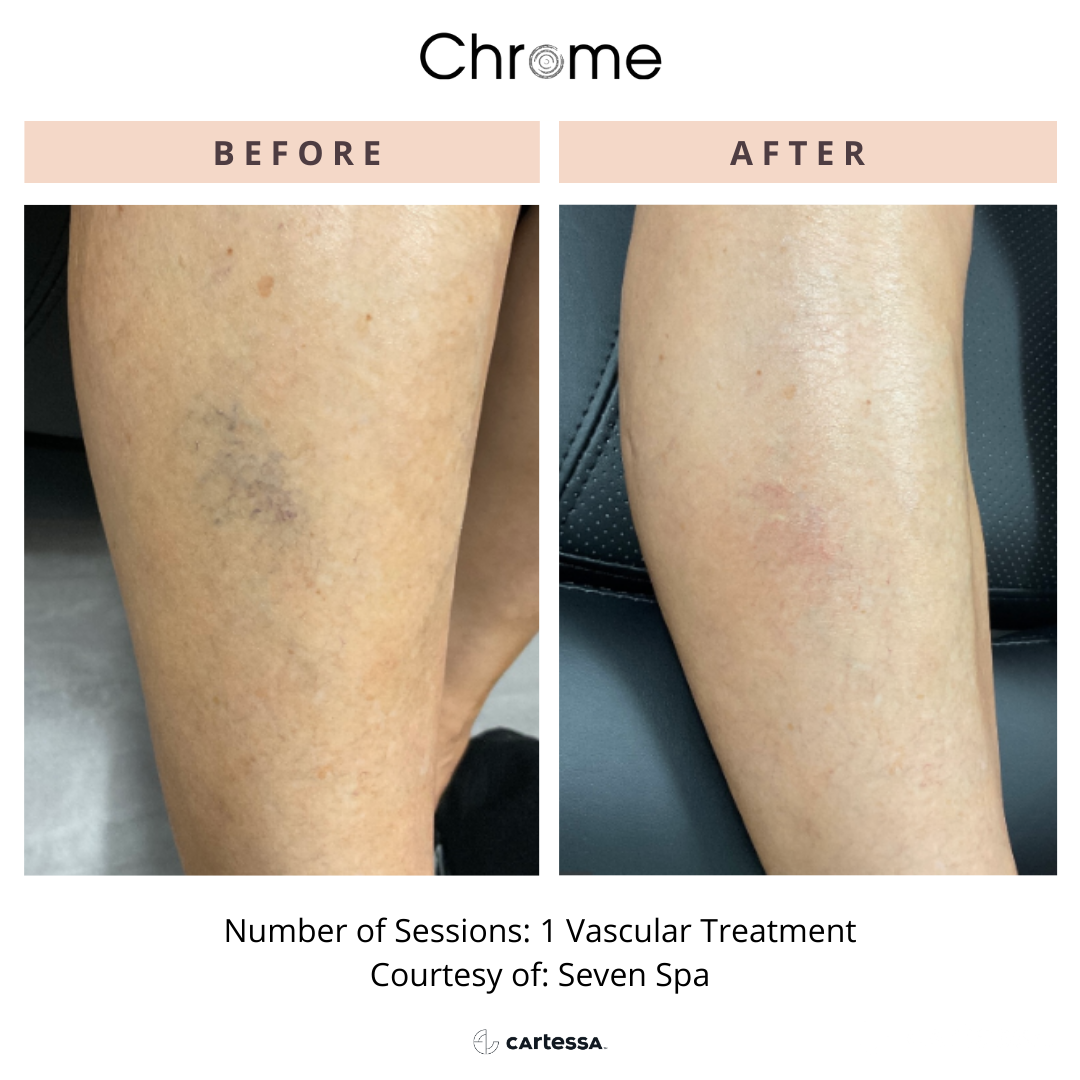
Visible facial blood vessels and broken capillaries, sometimes called telangiectasias, can appear on the nose, cheeks, and other areas of the face. Some people also develop small visible veins on their legs.
These vessels can contribute to persistent redness and an uneven complexion.
How Chrome may help
Chrome offers laser applications designed to target selected vascular concerns, including:
Visible facial blood vessels and broken capillaries
Certain benign vascular lesions
Persistent facial redness associated with superficial vessels
Selected small leg veins
The laser delivers energy to the targeted vessels, allowing the body to gradually clear the treated structures.
Results vary depending on the size, depth, and type of vessel, and multiple treatments may sometimes be needed.
Not every visible vein is appropriate for laser treatment. Larger or symptomatic leg veins may require a different type of evaluation and treatment.
6. Fine Lines, Wrinkles & Rough Skin Texture
Over time, cumulative sun exposure and the natural aging process can affect the collagen and elastin that help keep skin firm, smooth, and resilient.
The result may be fine lines, rough texture, enlarged pores, and an overall loss of smoothness and radiance.
Skincare can help support the skin barrier, improve hydration, and address certain signs of photoaging. But when textural changes become more established, professional treatments can provide another way to stimulate skin renewal and collagen remodeling.
Choosing the right level of treatment
Koru Skin & Laser offers several technologies that can address different levels of skin concerns.
Chrome Refresh is designed to improve selected concerns such as age spots, sun spots, fine lines, and overall skin appearance.
NaturaPeel focuses on superficial skin renewal and can help address excess oil and debris, enlarged pores, and a dull complexion.
CoolPeel CO₂ provides superficial resurfacing to improve fine lines, rough texture, enlarged pores, and mild sun damage while generally requiring less downtime than more aggressive resurfacing.
Tetra CO₂ offers a more intensive resurfacing option for more pronounced textural changes, deeper wrinkles, and selected scars. Because it removes more of the outer layers of skin, it also requires more recovery and aftercare.
TORO uses picosecond laser technology and may be considered for selected pigment and textural concerns through a different mechanism than CO₂ resurfacing.
Your treatment should be matched to both your skin concerns and your desired level of correction and downtime.

7. Skin Laxity & Loss of Firmness
Not every sign of aging is a surface-level concern.
As collagen and elastin change over time, the skin can gradually lose firmness. You may notice softer jawline definition, mild laxity around the lower face, or crepey skin on the neck.
These concerns require a different approach than pigmentation or rough texture.
EVERESSE: Radiofrequency skin tightening
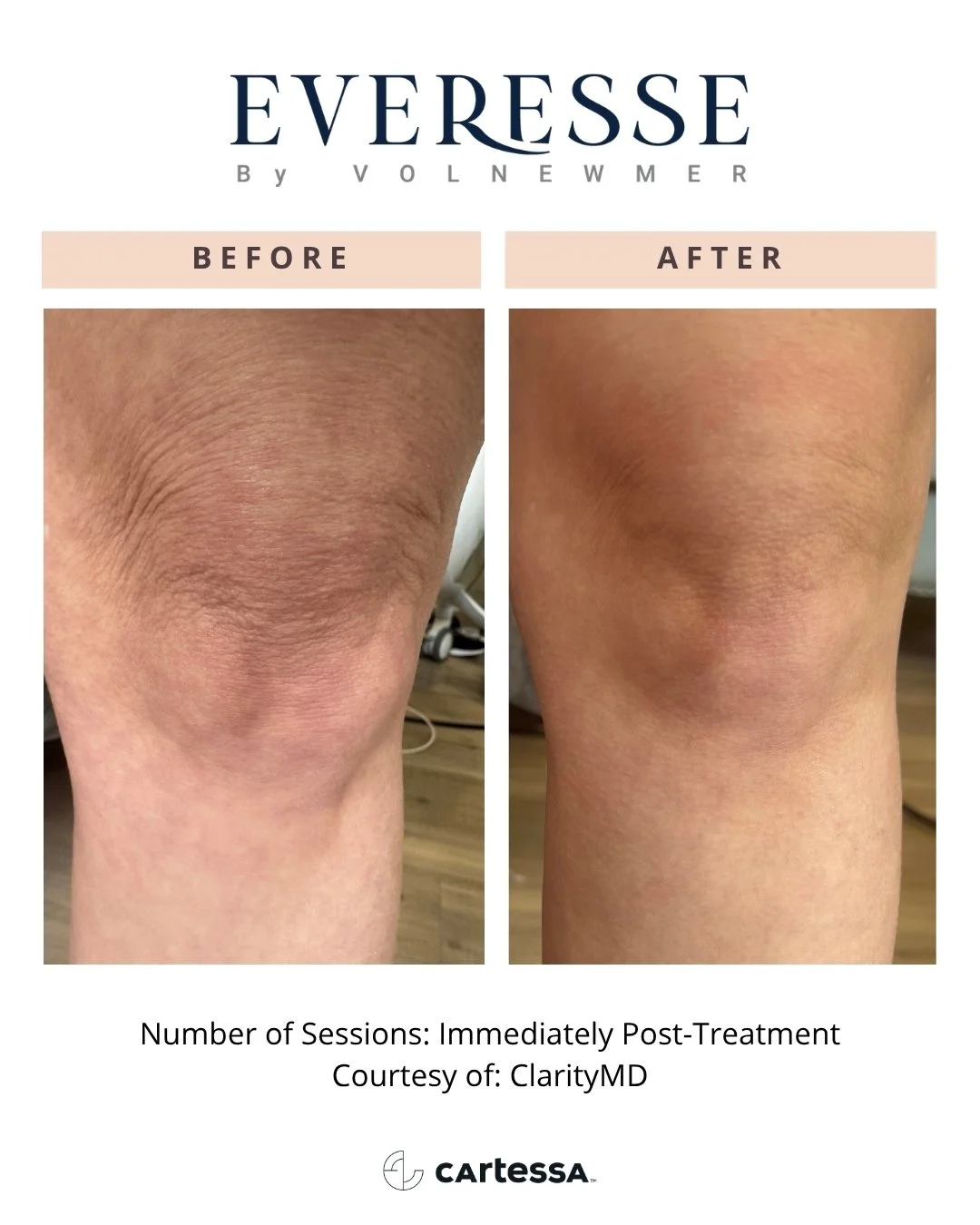
EVERESSE is a monopolar radiofrequency treatment designed to heat deeper tissue and stimulate collagen remodeling.
Unlike laser treatments, EVERESSE uses radiofrequency energy rather than laser light. This distinction matters because different technologies target different aspects of skin aging.
While CO₂ resurfacing primarily addresses the skin's surface and improves texture, radiofrequency treatments are designed to address mild to moderate skin laxity and firmness over time.
EVERESSE may be an option for appropriately selected patients looking for nonsurgical skin tightening around areas such as the lower face, jawline, cheeks, and neck.
Results develop gradually as collagen remodeling occurs, and the degree of improvement varies from person to person.
For patients concerned about both skin texture and laxity, combining different technologies may provide a more comprehensive approach.
Why Fall & Winter Can Be a Good Time for Laser Treatments in Hawaiʻi
Laser treatments are often associated with the cooler months because certain procedures are easier to plan when patients can limit sun exposure during recovery.
But living in Hawaiʻi means there is no true "off-season" for UV exposure.
For treatments that temporarily increase skin sensitivity or compromise the skin barrier, careful sun protection is essential throughout the year.
Before your treatment, you may be asked to:
Avoid intentional tanning and minimize unnecessary sun exposure.
Use broad-spectrum sunscreen consistently.
Wear protective clothing and a wide-brimmed hat when outdoors.
Follow your provider's recommended skincare routine before and after treatment.
Allow adequate time for healing, particularly after more intensive CO₂ resurfacing.
Tell your provider about medications, previous pigment changes, active skin conditions, a history of cold sores, or a tendency toward abnormal scarring.
Some treatments may need to be postponed if your skin is sunburned, irritated, or otherwise not ready for treatment.
Which Laser Treatment Is Right for You?
One of the biggest misconceptions about laser treatments is that there is one "best" laser for everything.
In reality, different technologies are designed to address different concerns.
Pigmentation? Chrome or TORO may be considered depending on the type of pigment.
Visible blood vessels or broken capillaries? Chrome offers vascular treatment applications.
Fine lines, rough texture, or enlarged pores? CoolPeel, Chrome Refresh, or other resurfacing approaches may be appropriate.
Deeper wrinkles or acne scars? Tetra CO₂ may provide a more intensive resurfacing option.
Mild skin laxity? EVERESSE uses radiofrequency energy to target collagen remodeling and firmness.
And sometimes the best treatment is a combination of technologies rather than a single procedure.
That's why a personalized consultation is an important first step. Your provider can evaluate your skin, discuss your goals, and recommend a treatment plan based on your specific concerns, skin characteristics, and desired downtime.
Your Skin. Your Goals. Your Treatment Plan.
At Koru Skin & Laser, we believe effective skin treatment starts with understanding what your skin actually needs.
Whether you're looking to address years of sun exposure, stubborn pigmentation, facial redness, visible blood vessels, acne scars, rough texture, fine lines, or loss of firmness, our advanced laser and energy-based technologies offer a range of options for customized treatment.
And because we are part of the Island Dermatology family, we also have access to medical dermatology expertise when a skin concern requires further evaluation.
If you've been wondering whether a laser treatment could help your skin, schedule a consultation with Koru Skin & Laser in Kona. We'll help you understand your options and determine which treatment approach makes sense for your skin and your goals.
Healthy skin isn't about chasing the latest treatment. It's about choosing the right treatment for your skin.