
Hair Loss Awareness Month: Understanding Your Hair Restoration Options
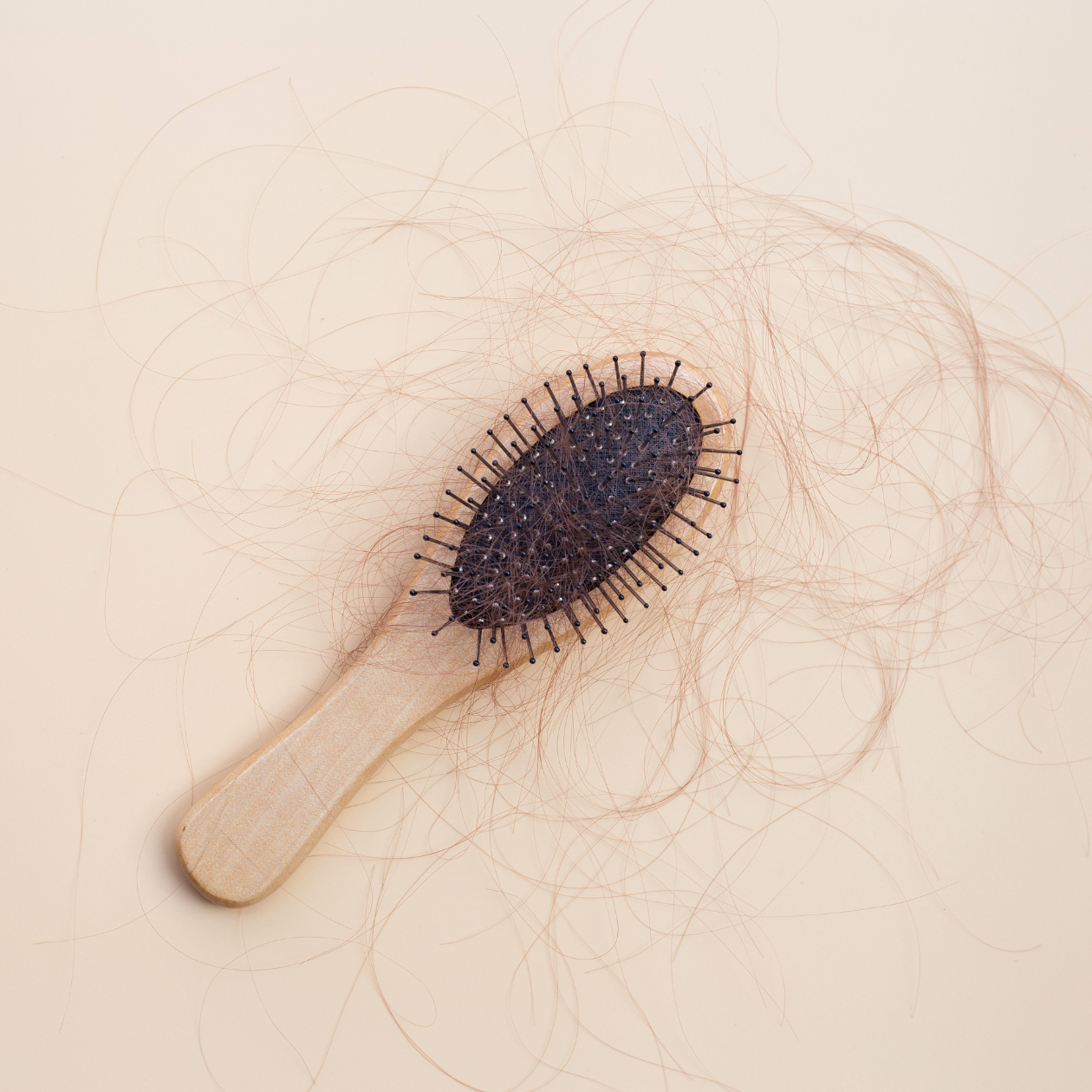
Noticing more hair in your brush, a wider part, or less volume in your ponytail can be frustrating. Hair loss can happen for many reasons, and identifying the type of hair loss is an important first step toward choosing an effective treatment.
At Koru Skin & Laser, we offer treatment options designed to support healthier hair growth, including Nutrafol supplements and platelet-based hair restoration treatments such as PRP and PFR. The right approach depends on what is causing your hair loss and the condition of your hair follicles.
Why are you losing hair?
Hair naturally goes through cycles of growth, rest, and shedding. A certain amount of daily shedding is expected. Hair loss becomes more concerning when shedding increases significantly, the hair becomes progressively thinner, or areas of the scalp become more visible.
Several types of hair loss can cause these changes.
Androgenetic alopecia
Androgenetic alopecia is the most common form of hair loss. Genetics and hormones cause susceptible hair follicles to gradually shrink, producing finer hairs over time.
Women often notice a widening part or thinning across the crown. Men may develop recession at the hairline or thinning around the crown.
Treating androgenetic alopecia early can help preserve existing follicles and support continued hair growth. Depending on the individual, treatment may include topical or oral medications, nutritional support, or hair restoration procedures.
Telogen effluvium
Telogen effluvium causes increased shedding throughout the scalp. It can occur after pregnancy, illness, surgery, significant weight loss, nutritional deficiencies, or other major changes affecting the body.
One important detail is timing. Shedding often begins several weeks or months after the triggering event, which can make the original cause easy to overlook.
When this type of shedding occurs, identifying and addressing the underlying trigger is important. Hair growth can gradually recover once the growth cycle returns to normal.
Alopecia areata
Alopecia areata is an autoimmune condition that can cause sudden, smooth patches of hair loss. It can affect the scalp, eyebrows, eyelashes, beard, and other areas of the body.
Treatment for alopecia areata depends on the extent and activity of the condition. A dermatologist can determine whether medical treatment is appropriate.
Scarring alopecia
Scarring alopecias are inflammatory conditions that damage hair follicles. Once a follicle has been permanently destroyed, it cannot produce hair again.
Early diagnosis matters with these conditions. Signs can include scalp redness, scaling, itching, burning, tenderness, or areas where the scalp looks smooth or shiny.
If you notice these symptoms along with hair loss, a dermatology evaluation is important.
Traction alopecia
Repeated tension from tight hairstyles, extensions, braids, or ponytails can damage hair follicles and cause traction alopecia.
Reducing tension early can help prevent continued damage. Long-term traction can lead to permanent hair loss.
Nutrafol for hair thinning
Nutritional support can be one part of a comprehensive approach to hair health.
Nutrafol is a physician-recommended supplement line formulated to address multiple factors associated with hair thinning. Specific Nutrafol formulations contain ingredients selected to support hair growth and overall hair health.
Clinical research has found improvements in hair growth among people with certain types of thinning who used Nutrafol consistently over several months. Results take time because hair grows slowly, so consistency is an important part of any supplement-based approach.
Nutrafol may be appropriate for certain patients experiencing thinning or shedding. It is not designed to treat every type of hair loss, which is why understanding the underlying cause remains important.
Nutrafol is available at Koru Skin & Laser. Our team can help you determine whether it may be a useful addition to your hair restoration plan.
PRP for hair restoration
Platelet-rich plasma, commonly called PRP, uses a patient's own blood to create a concentrated platelet preparation that is injected into areas of thinning.
Platelets contain growth factors involved in tissue repair and signaling. Research suggests that PRP can improve hair density in some patients with androgenetic alopecia.
PRP treatments are performed as a series of sessions, followed by maintenance treatments based on the individual's response and goals.
Because PRP works with the patient's existing follicles, it is most useful when there are still viable follicles in the areas being treated.
PFR hair restoration
PFR, or Platelet-Fibrin Rejuvenation, is another platelet-based approach to hair restoration. It uses the patient's own blood to create a concentrated fibrin matrix containing platelets and growth factors.
The fibrin matrix allows these components to remain localized at the treatment site for a period of time. PFR can be used as part of a hair restoration plan for patients experiencing certain types of thinning.
Your provider can determine whether PRP, PFR, or another approach is appropriate based on your hair loss pattern and treatment goals.
Combining treatments
Hair restoration often works best as a personalized plan rather than a single treatment.
A patient with gradual genetic thinning may benefit from a combination of nutritional support and platelet-based treatments. Someone experiencing sudden shedding after a major physical event may need evaluation for an underlying trigger. A patient with an inflammatory or autoimmune form of hair loss may require medical treatment directed at that condition.
The earlier you address progressive thinning, the more opportunity there is to support the follicles that are still producing hair.
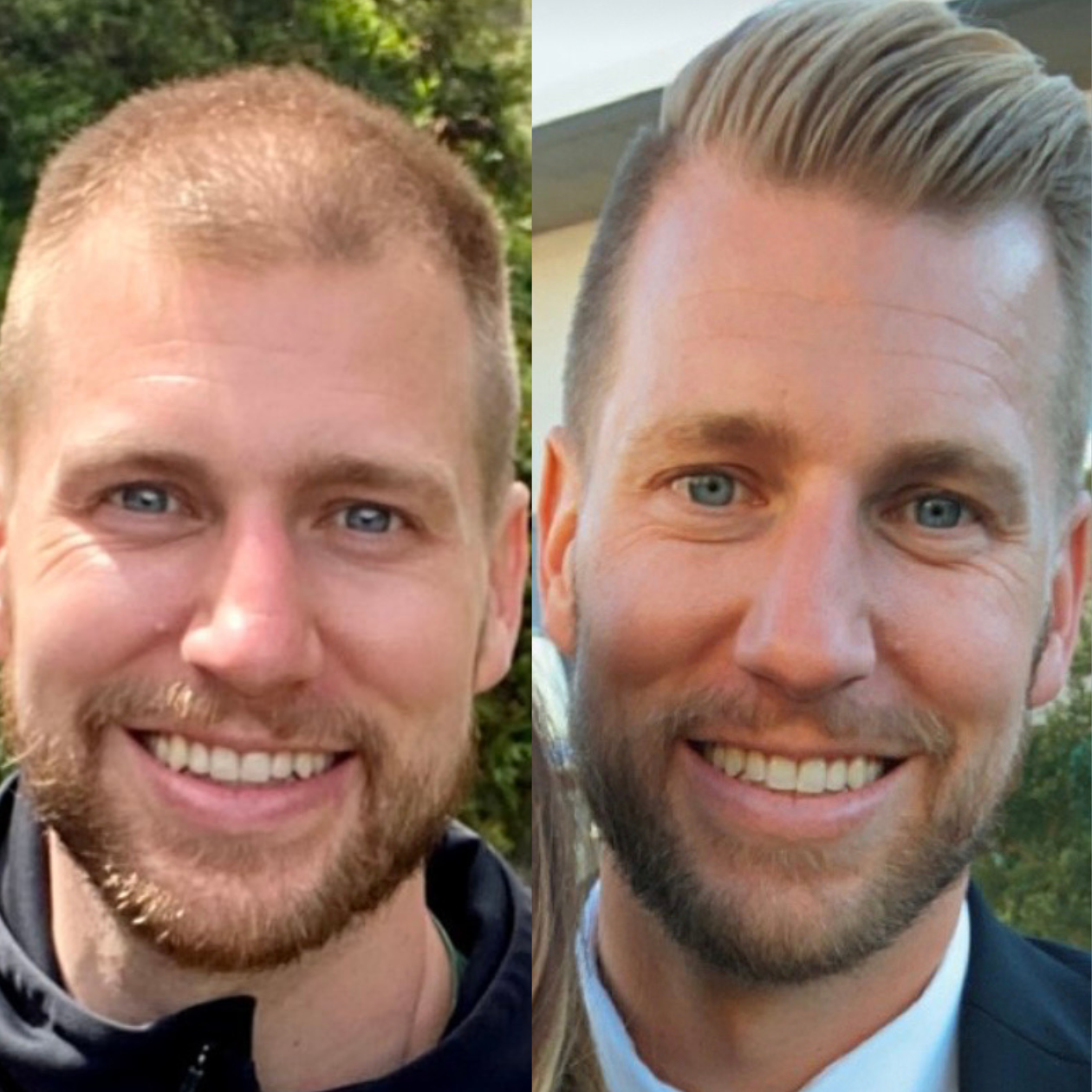
When should you seek help?
Consider an evaluation if you notice:
Increased shedding that continues over time
A widening part
Thinning around the crown or hairline
A noticeable decrease in hair density
New bald patches
Thinning eyebrows or eyelashes
Scalp itching, burning, redness, or scaling
A change in your hair density after pregnancy, illness, or significant weight loss
A closer look at your scalp can help determine what is happening and whether hair restoration treatments may be appropriate.
Take the first step toward healthier-looking hair
Hair loss can have many causes, and treatment works best when it is matched to the individual.
At Koru Skin & Laser, we offer hair restoration options including Nutrafol, PRP, and PFR for appropriate candidates. Our team can evaluate your concerns, discuss your goals, and help determine which approach makes sense for your hair.
If you've noticed changes in your hair density or shedding, schedule a consultation at Koru Skin & Laser to learn more about your options.
Healthy hair starts with understanding what's happening at the scalp.