
Breaking the Breakout Cycle: Why Acne Happens and What Actually Helps
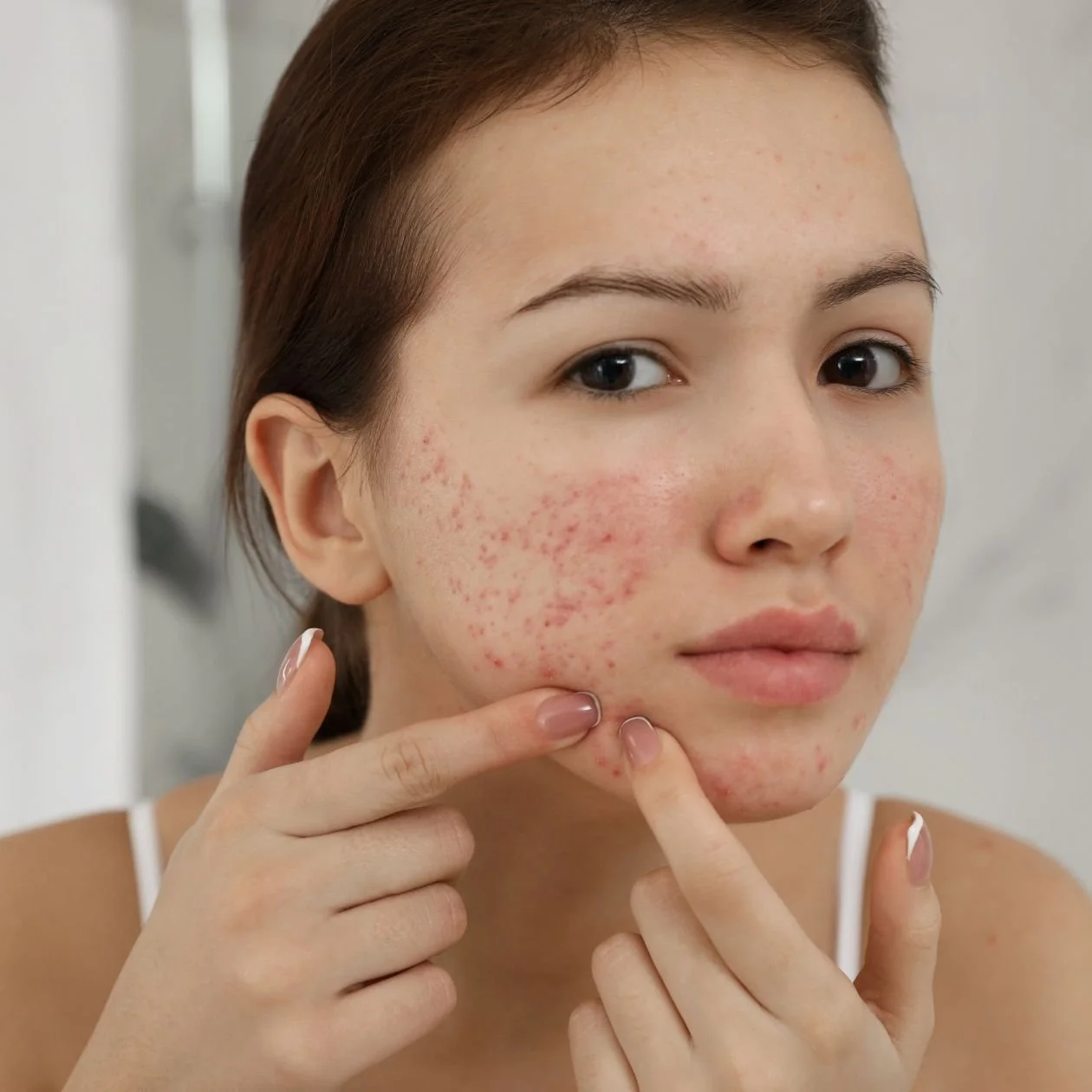
June is Acne Awareness Month, and if you've ever found yourself staring at a breakout wondering, "Why is this happening?" you're not alone.
Acne is one of the most common skin concerns we see at Koru Skin & Laser. Yet despite affecting millions of people, it's also one of the most misunderstood.
Many people assume acne is caused by poor hygiene, eating the wrong foods, or using the wrong skincare products. The reality is much more complex.
Acne develops through a combination of factors that occur beneath the skin's surface long before a blemish appears. Understanding what's happening inside the skin is often the first step toward finally achieving clearer, healthier skin.
Why Am I Breaking Out?
Acne begins when pores become clogged with a mixture of oil, dead skin cells, and bacteria.
Several factors contribute to this process:
Excess Oil Production
Your skin naturally produces oil, called sebum, to keep the skin hydrated and protected.
However, some individuals produce more oil than others due to genetics, hormones, or environmental factors. Excess oil can become trapped within pores, creating the perfect environment for breakouts.
Hormonal Changes
Hormones are one of the most common triggers behind acne.
This is why breakouts often occur during:
Puberty
Menstrual cycles
Pregnancy
Postpartum changes
Perimenopause
Menopause
Hormonal acne frequently appears along the chin, jawline, and lower face and often follows a predictable pattern.
Inflammation
Many people think acne is simply clogged pores.
In reality, inflammation plays a major role.
Inflammation contributes to the redness, swelling, tenderness, and deeper cystic lesions that can lead to long-term skin damage and scarring.
Genetics
Ever wonder why some people seem to have naturally clear skin while others struggle despite doing everything right?
Genetics influence how much oil your skin produces, how easily pores become clogged, and how your immune system responds to inflammation.
Lifestyle Factors
Lifestyle doesn't directly cause acne, but it can certainly influence it.
Factors that may contribute to worsening breakouts include:
Chronic stress
Poor sleep habits
High-glycemic diets
Certain dairy products
Excessive skin picking
Using harsh or irritating skincare products
The goal isn't perfection. It's understanding which factors may be affecting your individual skin.
Why More Products Aren't Always the Answer
When breakouts appear, many people respond by adding more products.
A stronger cleanser.
A harsher scrub.
Another spot treatment.
Unfortunately, over-treating acne can sometimes make it worse.
When the skin barrier becomes compromised, irritation and inflammation increase. This can leave skin feeling dry, sensitive, and more reactive.
Healthy skin isn't achieved by stripping the skin.
It's achieved by supporting it.
The Importance of Treating Acne Early
One of the biggest mistakes we see is waiting too long to seek treatment.
Acne isn't just a cosmetic concern.
Persistent inflammation can lead to:
Acne scars
Post-inflammatory hyperpigmentation
Long-term redness
Uneven skin texture
Once scars develop, they become much more difficult to treat than active acne.
Early intervention often leads to better outcomes and healthier skin over time.
Professional Acne Treatments at Koru
Because acne has multiple causes, treatment often requires more than a single product or quick fix.
At Koru Skin & Laser, we create customized treatment plans based on your skin type, acne severity, and goals.
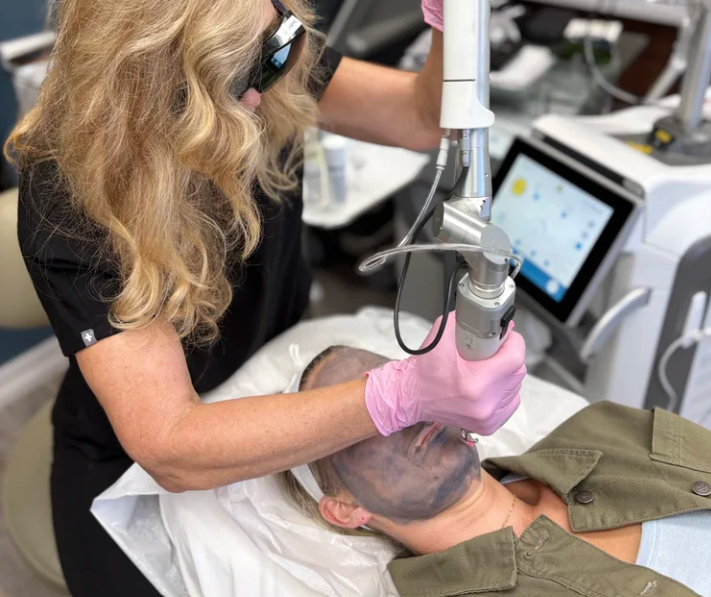
Chrome Laser Acne Treatments
One of our most popular options for acne-prone skin is the Chrome Laser.
This advanced laser treatment helps reduce acne-causing bacteria while calming inflammation within the skin.
Chrome treatments can help:
Improve active breakouts
Reduce redness associated with acne
Support clearer skin over time
Complement an existing acne treatment plan
Treatments are quick, comfortable, and require little to no downtime, making them an excellent option for busy schedules.
Customized Corrective Skincare
In-office treatments are only part of the equation.
What you use every day matters.
A personalized skincare routine can help maintain results, support the skin barrier, and reduce future congestion and breakouts.
That's why we focus on building realistic, sustainable skincare plans that work with your skin—not against it.
Moana Acne Skincare by Koru
Our Moana Skincare collection was developed with skin health at its core.
Designed to support healthy, resilient skin, these products help simplify daily skincare while promoting balance and long-term skin wellness.
For acne-prone patients, the right home care routine can help:
Maintain treatment results
Support healthy skin function
Reduce excess oil and congestion
Strengthen the skin barrier
Improve overall skin clarity
Professional treatments create change. Consistent skincare helps maintain it.
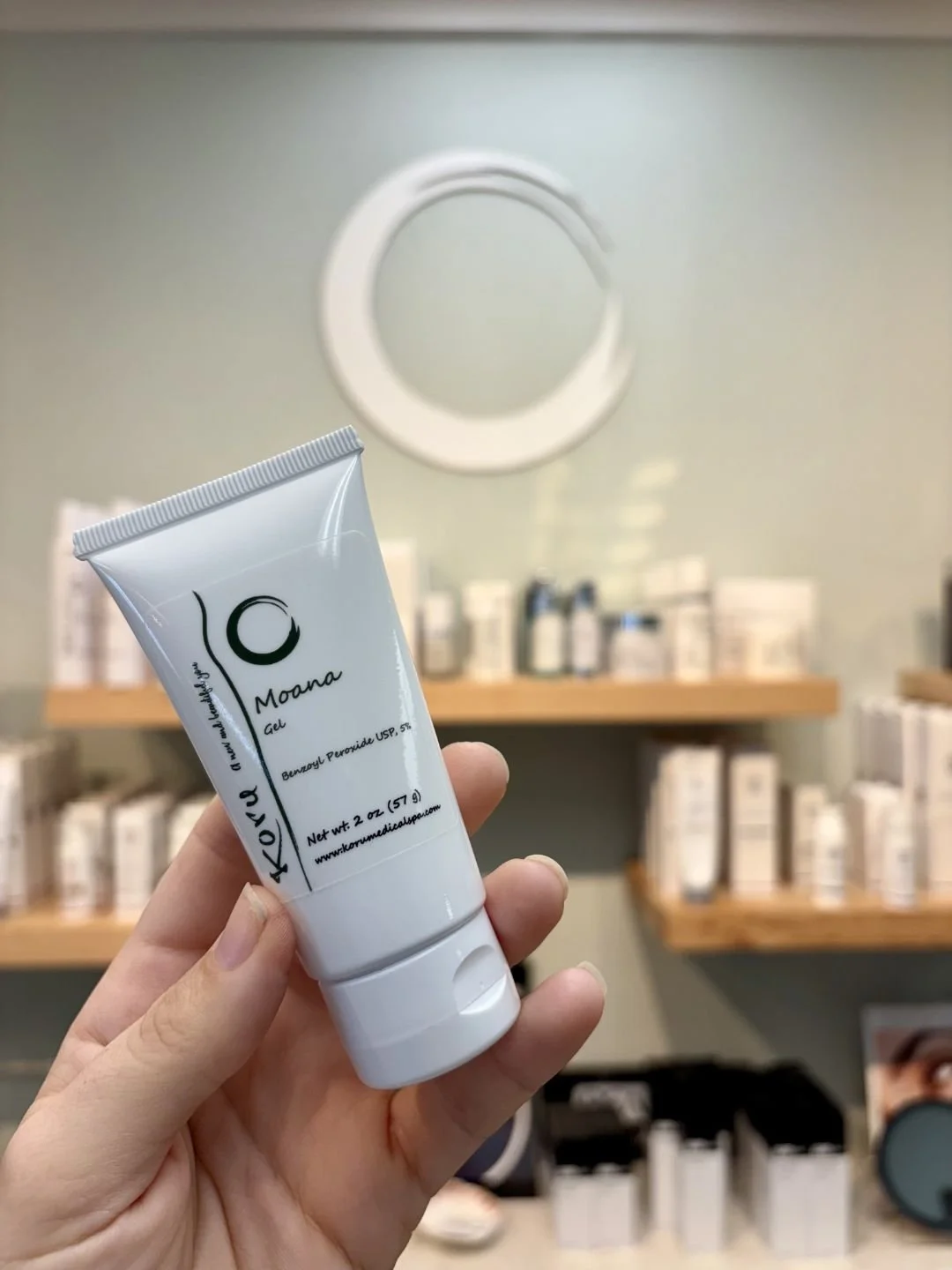
Moana Acne Gel
Clear Skin Is a Journey, Not a Quick Fix
One of the most important things we tell patients is this:
There is rarely one product, one facial, or one treatment that permanently "cures" acne.
Instead, clearer skin is usually the result of a thoughtful, customized plan that addresses both the causes of acne and the long-term health of the skin.
With the right combination of professional treatments, medical-grade skincare, and consistency, significant improvement is possible.
Ready to Break the Breakout Cycle?
If you're tired of guessing which products to use or feeling frustrated by recurring breakouts, we're here to help.
At Koru we take a personalized approach to acne treatment, combining advanced technologies like Chrome Laser Acne Treatments with customized skincare recommendations designed specifically for your skin.
Schedule a consultation and discover what a targeted, expert-guided approach can do for your skin.